Introduction to Queering Conservation
Current issues in conservation and issues facing the LGBTQ+ community
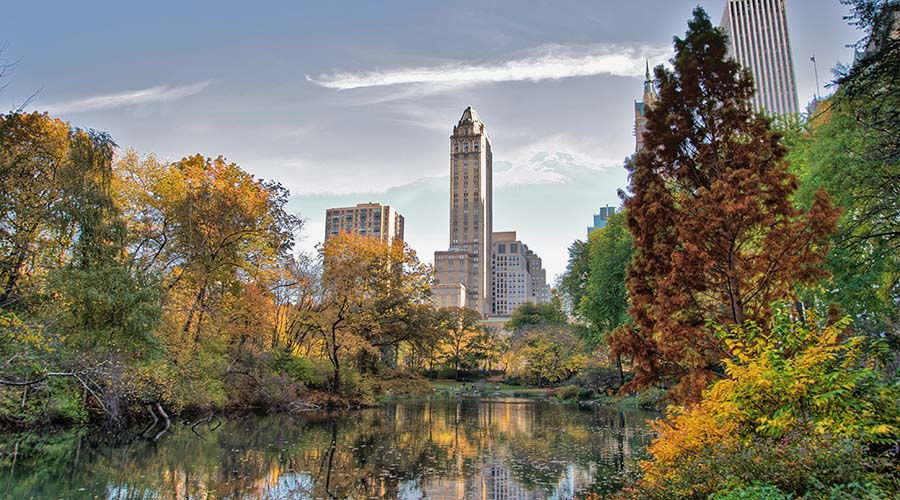
Photo by Ed Yourdon
Current issues in conservation include:
-
Earth is in the midst of a sixth mass extinction, this one being human activity caused. Some reasons for this include
-
Over-harvesting of natural resources
-
Spread of invasive species
-
Increasing greenhouse gas emissions
-
-
It is predicted that half of Earth's species could go extinct by 2050. caused by
-
Habitat loss
-
Invasive species
-
Over hunting/fishing
-
Human population spread
-
-
All animal groups are at risk, especially amphibians
-
1/3 of all amphibians are at risk of going extinct
-
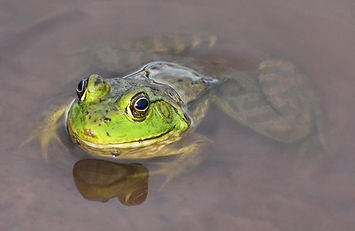
Photo by Dyan Bone
Current issues facing the LGBTQ+ community include:
-
Bullying in schools against young queer people
-
Job and housing denial due to identity
-
Discrimination by healthcare providers
-
Higher risk of suicide
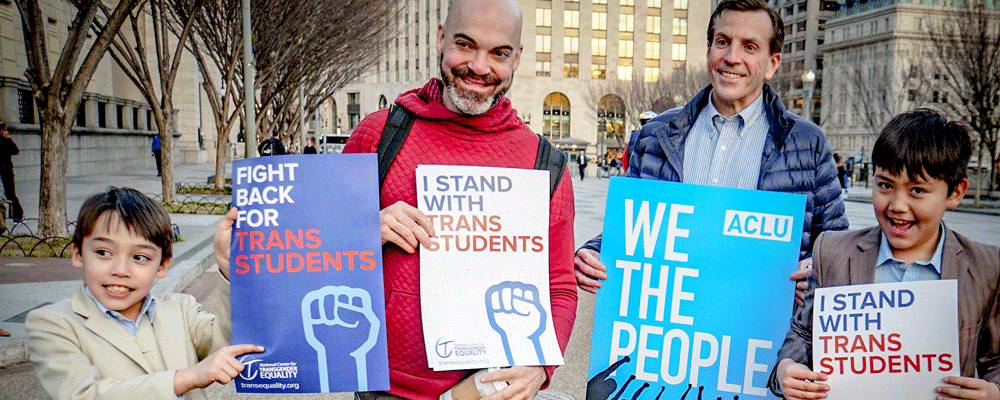
Photo by Ted Eytan
How are LGBTQ+ people impacted by species loss?
The LGBTQ+ population is more likely to experience homelessness. 40% of homeless youth identify as queer compared to the general population of youth that has 7% identifying as LGBTQ+. Homeless people are more likely to be affected by:
-
Increasing temperatures and heatwaves
-
Food insecurity and instability of resources
-
Increasing extreme weather like floods
All of these factors are likely to increase with declining species and climate change. Overall, queer people are more likely to be impacted by these effects due to an increased likelihood of experiencing homelessness and poverty.
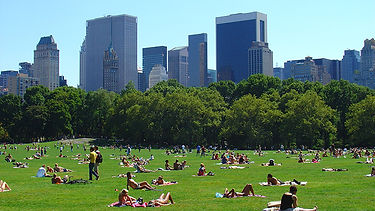
Photo by Ville Saalo
References
-
Ceballos, G., Ehrlich, P. R., & Raven, P. H. (2020). Vertebrates on the brink as indicators of BIOLOGICAL annihilation and the sixth mass extinction. Proceedings of the National Academy of Sciences, 117(24), 13596–13602. https://doi.org/10.1073/pnas.1922686117
-
Goodwin, N. (2019, March 15). There is no planet b: Why climate change is an LGBTQ issue. GLAAD. Retrieved March 10, 2022, from https://www.glaad.org/amp/no-planet-b-whyclimate-change-is-an-lgbtq-issue
-
Halting the extinction crisis. Center for Biological Diversity. (n.d.). Retrieved March 10, 2022, from https://www.biologicaldiversity.org/programs/biodiversity/elements_of_biodiversity/extinction_cri sis/
-
Lesley University. (n.d.). The cost of coming out: LGBT youth homelessness. Lesley University. Retrieved March 29, 2022, from https://lesley.edu/article/the-cost-of-coming-out-lgbtyouth-homelessness
-
Mulhern, O. (2020, August 6). Sea level rise projection map - Tonga. Earth.org. Retrieved March 10, 2022, from https://earth.org/data_visualization/sea-level-rise-by-2100-tonga/.
-
O'Hare, J. (2017, February 27). Half of the species on Earth could go extinct by 2050: Scientists. Global Citizen. Retrieved March 8, 2022, from https://www.globalcitizen.org/en/content/half-earths-species-extinct2050/#:~:text=Half%20of%20Earth's%20species%20could,dinosaurs%20famously%20bit%20the %20dust
-
Pearce, F. (2015, August 17). Global Extinction Rates: Why Do Estimates Vary So Wildly? Yale Environment 360. Retrieved 12 2, 2020, from https://e360.yale.edu/features/global_extinction_rates_why_do_estimates_vary_so_wildly
-
Wake, D. B., & Vredenburg, V. T. (2008). Are we in the midst of the sixth mass extinction? A view from the world of amphibians. Proceedings of the National Academy of Sciences, 105 (Supplement 1), 11466-11473. doi:10.1073/pnas.0801921105